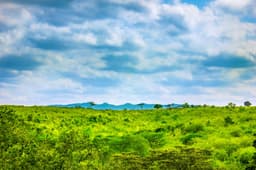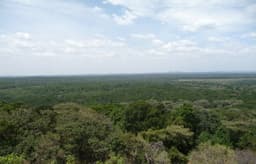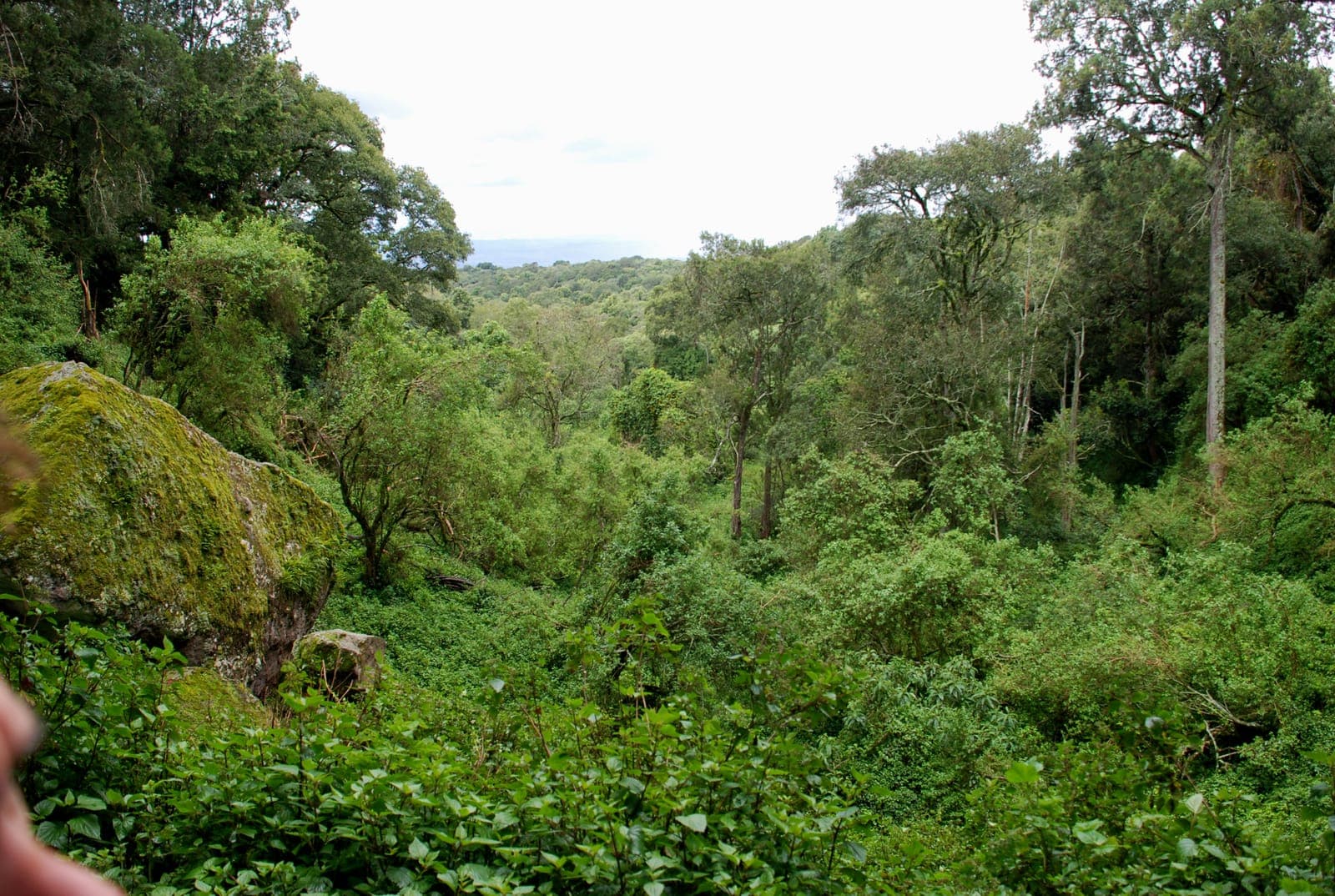
Mount Elgon, an extinct shield volcano straddling the border between Kenya and Uganda, holds one of the largest volcanic calderas in the world, its eroded slopes now covered in dense forest, bamboo and high-altitude moorland rather than the bare rock typical of younger volcanic peaks. Its remoteness relative to Kenya's more famous mountains has kept visitor numbers low despite genuinely spectacular scenery.
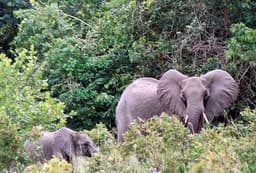
The mountain's most unusual feature is a network of caves carved not by water or wind, but by elephants — herds have visited these caves for generations specifically to mine salt deposits from the cave walls, a behaviour that's been documented and studied as a rare example of large mammals actively excavating underground spaces.
Exploring Mount Elgon
- Kitum Cave, the most famous of the elephant salt caves, is accessible with a ranger guide from the Kenyan side.
- Multi-day trekking routes lead toward the caldera rim, with camping en route for those attempting the full summit.
- The forest and bamboo zones support a genuinely rich array of birdlife and primates.
- Mount Elgon receives far fewer visitors than Mount Kenya, offering a much quieter mountain experience.
For hikers seeking genuine remoteness and unusual natural phenomena over a crowded trekking route, Mount Elgon delivers on both counts.