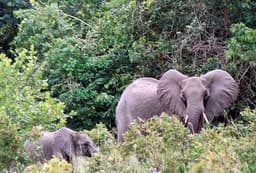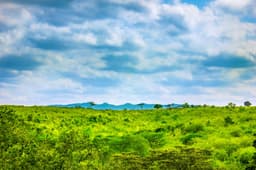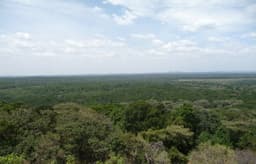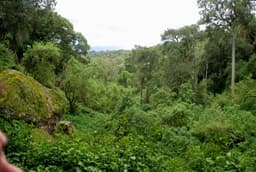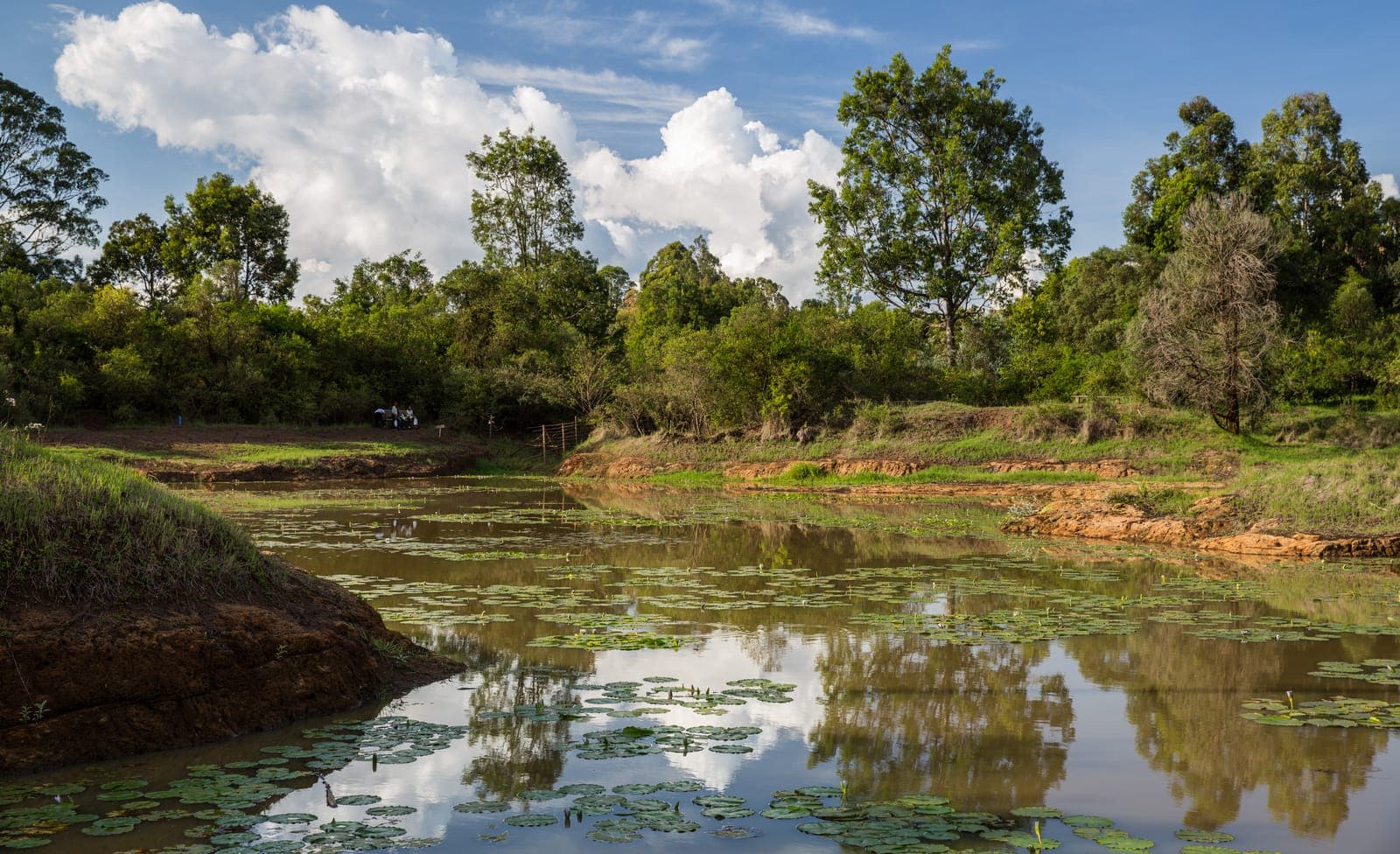
Karura Forest is one of Nairobi's great urban surprises — over 1,000 hectares of protected indigenous forest sitting almost entirely within the city's built-up area, saved from development in the 1990s and 2000s partly through the activism of Nobel laureate Wangari Maathai. Today it's criss-crossed with well-maintained trails for walking, running and cycling, a rare stretch of genuine forest silence minutes from Nairobi's traffic.
A network of paths leads to a small waterfall on the Karura River, along with caves once used as Mau Mau hideouts during the independence struggle, giving the forest a layer of historical significance beyond its ecological value. Colobus and vervet monkeys, along with over 200 recorded bird species, make wildlife spotting a real possibility even on a short visit.
Getting the most from Karura
- Bikes can be hired at several of the main gates for those who want to cover more ground.
- The waterfall and Mau Mau caves are the most popular combined route, doable in under two hours.
- Weekday mornings are quietest; weekends draw larger groups of Nairobi runners and cyclists.
- A small entry fee supports the forest's ongoing conservation and security.
It's one of the best arguments against skipping Nairobi entirely on a Kenya itinerary — a genuine forest hike requiring zero travel time from most of the city.