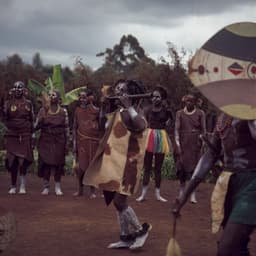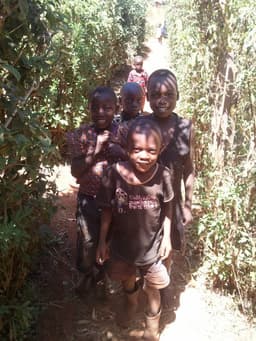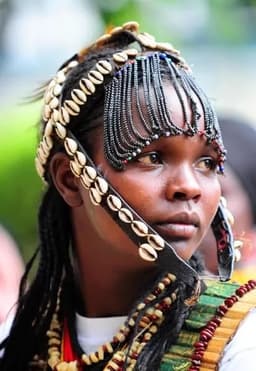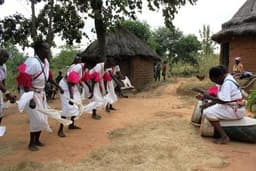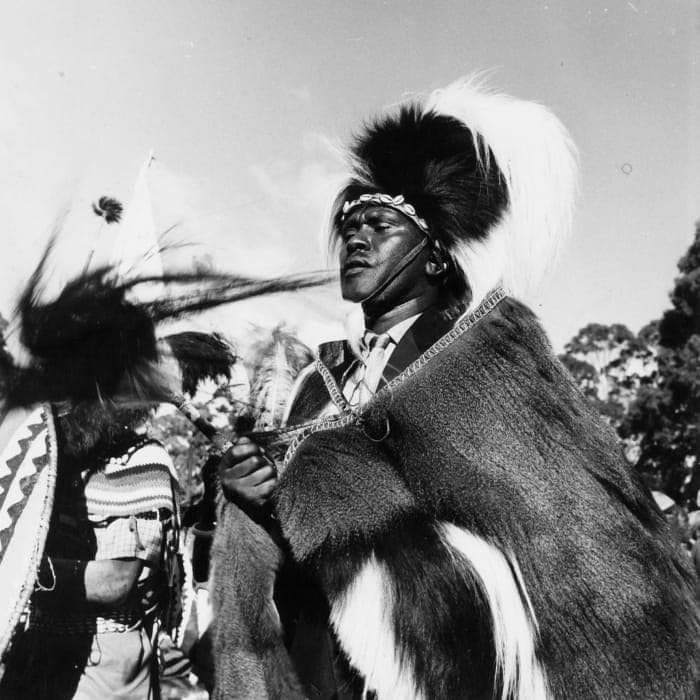
The Luo are Kenya's largest Nilotic-speaking community and the country's third or fourth largest ethnic group overall, settled predominantly around the shores of Lake Victoria in Nyanza — Kisumu, Siaya, Homa Bay and Migori counties — following a centuries-long migration from the Nile Valley region of South Sudan, part of the broader Nilotic migration that also produced related Luo-speaking communities in Uganda and Tanzania. Unlike most of their Bantu-speaking neighbours, the Luo traditionally did not practise male circumcision, historically marking a clear and sometimes socially significant cultural boundary with surrounding communities — a distinction that has occasionally featured, unfortunately, in Kenyan ethnic politics and stereotyping.
Lake Victoria's waters have shaped Luo material culture and economy profoundly: traditional dugout canoe fishing, using basket traps and nets for tilapia and the introduced Nile perch, remains a defining occupation along the lakeshore, alongside sorghum, millet and cassava farming on the surrounding plains.
Clan structure, dowry and oral literature
Traditional Luo society is organised through patrilineal clans (dhoot) tracing descent from named founding ancestors, with dowry (dowry negotiations historically involving cattle) playing a central role in formalising marriage alliances between clans. The Luo have an exceptionally rich oral literary tradition, including nyatiti lyre music, praise poetry, and dholuo-language storytelling, that has translated into a disproportionately significant Luo presence in modern Kenyan literature, music and academia — writers, musicians and scholars of Luo heritage have shaped Kenyan intellectual life well beyond the community's share of the national population.
Political history and Tom Mboya's legacy
The Luo community has played an outsized role in Kenyan independence-era and post-independence politics, producing some of the country's most significant political figures, including independence-era leader Tom Mboya — whose burial site on Rusinga Island in Lake Victoria is covered elsewhere on this blog — and Barack Obama Sr., whose Luo heritage in western Kenya became internationally known through his son's American political career. This political prominence has, at various points in Kenya's post-independence history, fed into periods of significant ethnic political tension, an important and still-relevant thread in understanding modern Kenyan politics.
Funeral customs and modern practice
Traditional Luo funeral rites are elaborate, often extending over several days and drawing large gatherings of extended family and clan members, reflecting the deep cultural importance placed on proper ancestral rites and burial on ancestral land — a practice that has occasionally created friction in modern contexts involving cross-ethnic marriages or urban deaths far from rural homesteads.
Exploring Luo culture
- Kisumu, covered extensively elsewhere on this blog, is the natural base for engaging with Luo lakeshore culture, cuisine and history.
- Kit Mikayi, the sacred rock formation near Kisumu, holds deep significance in Luo oral tradition.
- Rusinga and Mfangano Islands offer both Luo fishing culture and, on Rusinga, Tom Mboya's historical legacy.
- Fresh tilapia and omena (small lake sardines), Luo culinary staples, are worth seeking out at any Kisumu-area market or restaurant.
The Luo story — a Nilotic fishing and farming community that became one of Kenya's most intellectually and politically influential groups — offers one of the richest single-community narratives in the country's modern history.