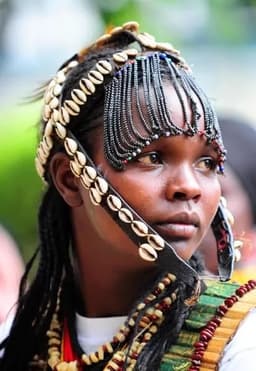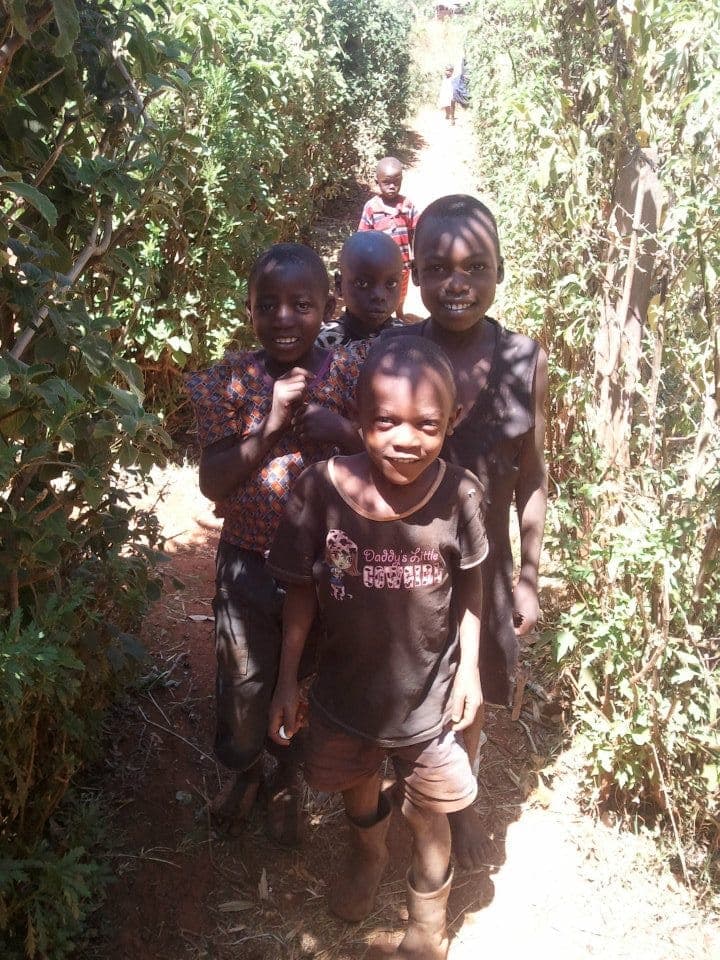
The Luhya are Kenya's second-largest ethnic community, but unlike more unified groups, "Luhya" is itself an umbrella term covering roughly 18 distinct but closely related Bantu sub-communities concentrated in Kenya's Western Province region — Kakamega, Bungoma, Busia and Vihiga counties. Each sub-group, including the Bukusu, Maragoli (Logoli), Wanga, Idakho, Isukha, Tiriki, Kabras, Marama, Tsotso and others, maintains its own dialect of the broader Luhya language cluster and distinct local customs, even while sharing a broad sense of common identity that solidified significantly during the 20th century as a political and cultural counterweight to Kenya's other major ethnic blocs.
Historically, the Wanga sub-group stood apart from the others by developing Kenya's only surviving indigenous Bantu kingship structure, the Wanga Kingdom, under a line of rulers (Nabongo) that persisted through the colonial period and still exists today as a ceremonial institution — a genuinely unusual survival, since most other Kenyan Bantu communities organised around decentralised clan and age-set systems rather than centralised monarchy.
Circumcision, dance and the Bukusu tradition
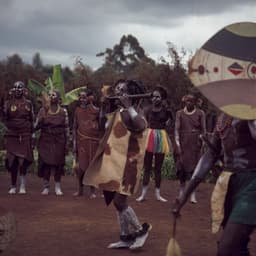
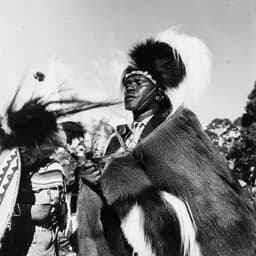
Among Luhya sub-groups, the Bukusu maintain one of Kenya's most elaborate and publicly celebrated male circumcision traditions, held biennially in August during years ending in an even number, drawing back Bukusu men from across Kenya and the diaspora to be initiated alongside age-mates in a multi-day ceremony involving traditional dress, drumming, and ritual preparation overseen by respected elders. The initiation is treated as a defining, non-negotiable marker of Bukusu male identity, and men who have not undergone it traditionally face significant social stigma within the community.
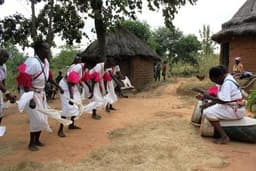
Isukuti drumming and dance, a fast, energetic style performed at celebrations, circumcision ceremonies and cultural festivals, has become one of the most recognisable Luhya cultural exports, regularly performed at national cultural events and increasingly promoted as a UNESCO-recognised intangible heritage practice.
Agriculture, football and diaspora identity
The Luhya heartland's fertile, well-watered land has long supported intensive smallholder farming of maize, sugarcane and local vegetables, and the region is closely associated in Kenyan popular culture with strong football talent — a disproportionate number of Kenya's national team players have come from Luhya communities, a point of considerable local pride. Sizeable Luhya diaspora communities in Nairobi and Kenya's other major cities maintain active home-community associations that fund development projects back in western Kenya.
Exploring Luhya culture and communities
- Kakamega and Bungoma counties offer the most direct access to Luhya cultural life, markets and cuisine.
- The Wanga Kingdom's palace and ceremonial sites near Mumias are open to respectful visitors interested in Kenya's only surviving indigenous kingship tradition.
- Bukusu circumcision season (August, even years) is a striking but intensely community-focused event — visit with a local guide and appropriate sensitivity.
- Isukuti dance performances appear at national cultural festivals and Bomas of Kenya programming.
The Luhya's internal diversity is itself the story here — rather than a single monolithic culture, it's a confederation of related communities whose shared political identity emerged from proximity and common language roots as much as from any single unifying tradition.