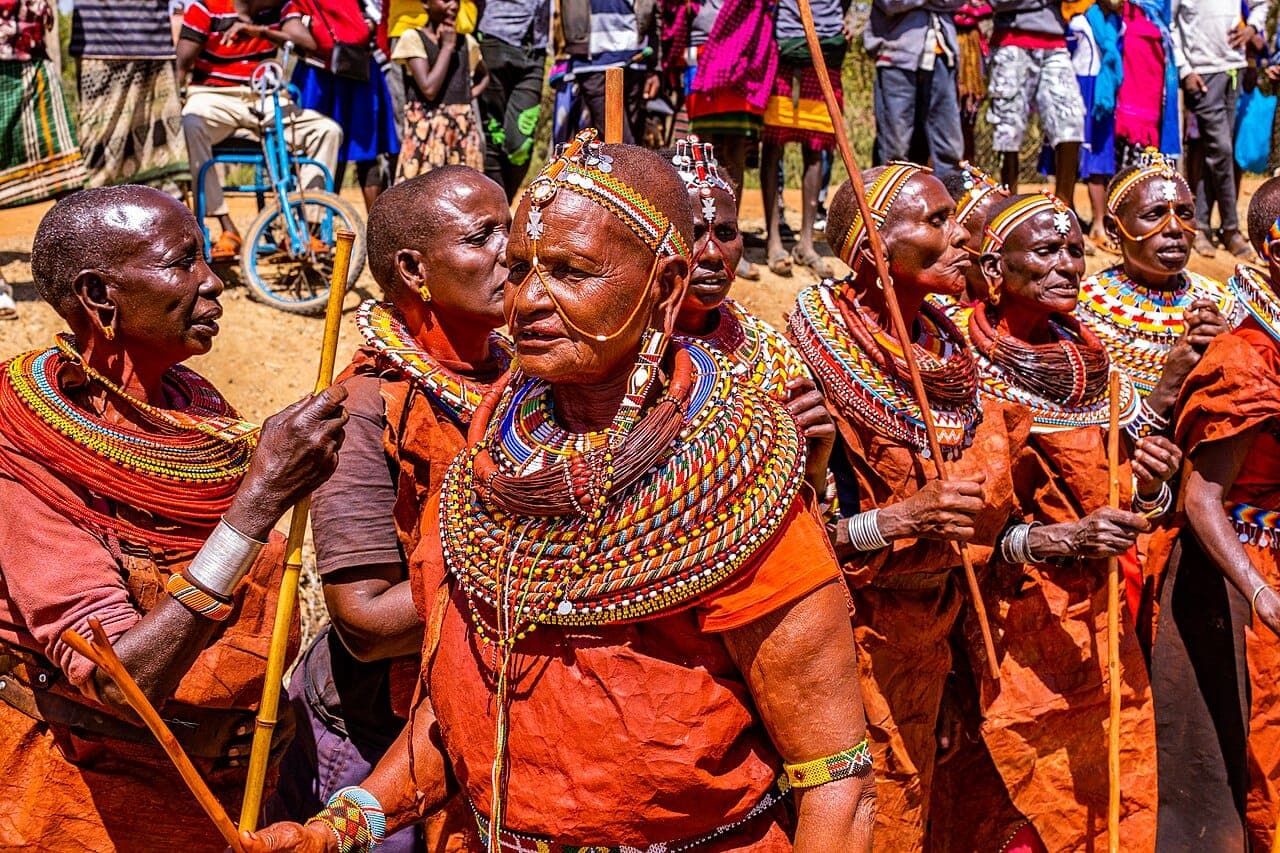
Among Kenya's pastoralist communities — the Maasai, Samburu, Turkana, Pokot, Rendille and Njemps, all covered individually elsewhere on this blog — beadwork represents far more than decorative craft: it constitutes a genuine coded visual language, in which specific colour combinations, patterns, and the particular pieces worn (necklaces, earrings, wrist and ankle bands, headpieces) communicate detailed information about the wearer's age, marital status, and social standing to anyone within the community able to read that visual code.
Historically, beadwork used locally available materials — seeds, shells, bone, and later glass beads introduced through Indian Ocean and, eventually, European trade — with the arrival of small, uniformly manufactured glass trade beads in the 19th century dramatically expanding the colour range and precision available to beadworkers, fuelling the more elaborate, colour-coded traditions documented among East African pastoralist communities today.
Reading the code: colour and meaning
While specific meanings vary between communities, certain broad patterns recur: red frequently symbolises bravery, strength or blood-tied unity; white often represents purity, peace or milk (itself deeply significant in cattle-centred cultures); blue may reference the sky and its associated deity; and green typically connects to land, grazing and health. Among the Maasai specifically, the number, size and specific colour sequencing of beaded collars worn by women signal marital status and the number of children borne with considerable precision to those able to interpret the visual language.
Craft transmission and gender roles
Beadwork production is traditionally a predominantly female craft and social activity across most of these pastoralist communities, with skills passed down from mothers and grandmothers to younger women, often produced communally during shared work sessions that also serve as important social and mentorship occasions — the craft itself functions as a vehicle for intergenerational relationship-building alongside its practical and symbolic output.
Modern markets and cultural commercialisation
Beadwork has become a significant source of cash income for many pastoralist households through sales to tourists and, increasingly, through partnerships with fashion and design brands seeking to incorporate traditional East African beadwork motifs into commercial products — a development that has brought genuine economic benefit to producing communities while also raising ongoing questions about fair compensation, cultural appropriation and the preservation of authentic traditional meaning as beadwork motifs circulate more widely in commercialised contexts disconnected from their original cultural code.
Appreciating and buying beadwork respectfully
- Purchasing directly from community cooperatives or individual artisans, rather than mass-produced imitations, ensures genuine economic benefit reaches originating communities.
- Ask about the specific meaning behind colours and patterns in a piece you're considering — most artisans are happy to explain, and it deepens appreciation of the purchase considerably.
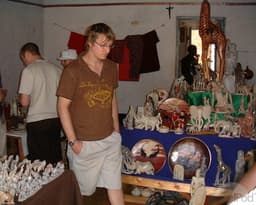
- Maasai Market in Nairobi, covered elsewhere on this blog, offers one of the most accessible points to purchase genuine community-made beadwork directly.
- Recognise beadwork as a living, actively practised craft tradition, not merely a historical curiosity displayed in museums.
Few traditional crafts anywhere combine aesthetic sophistication with genuine, decodable communicative function as elegantly as East African pastoralist beadwork — wearable social information, refined over generations into an art form.